
VOL. XII · ISSUE 04 · DESIGN, LEAD
Booth entries are being redesigned around no greeter at all. The four decisions reshaping how visitors actually arrive, and the one perimeter rule most teams get wrong on the first try.
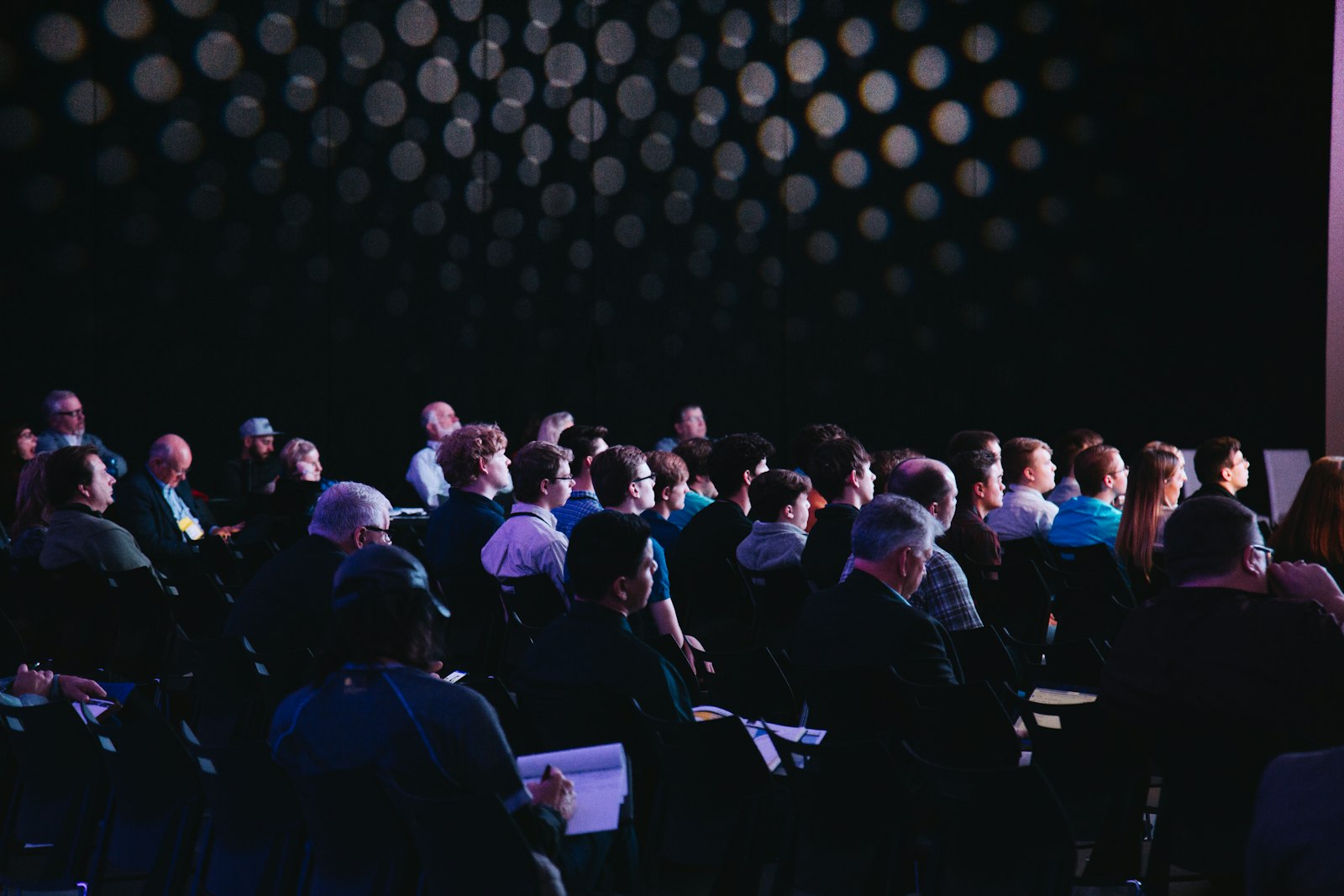
If there is no greeter telling the visitor where to go, the booth itself has to do that job. Most teams default to “a big screen”, which works, until the second screen, the third screen, and the demo station ten feet behind it all start competing for the same attention. The discipline is in choosing the one element that owns the first six seconds. A hero product. A single moving image. A piece of architecture that funnels the eye. Pick one, commit, and make every other element subordinate to it.
The reception desk was, quietly, the lead capture mechanism. Take it away and the question becomes, where does the badge scan happen now, and who triggers it. The best stands we have seen distribute lead capture across the demos themselves. Visitors scan to start an experience, to receive a sample, to enter a giveaway. The capture becomes a value exchange, not a tollbooth.
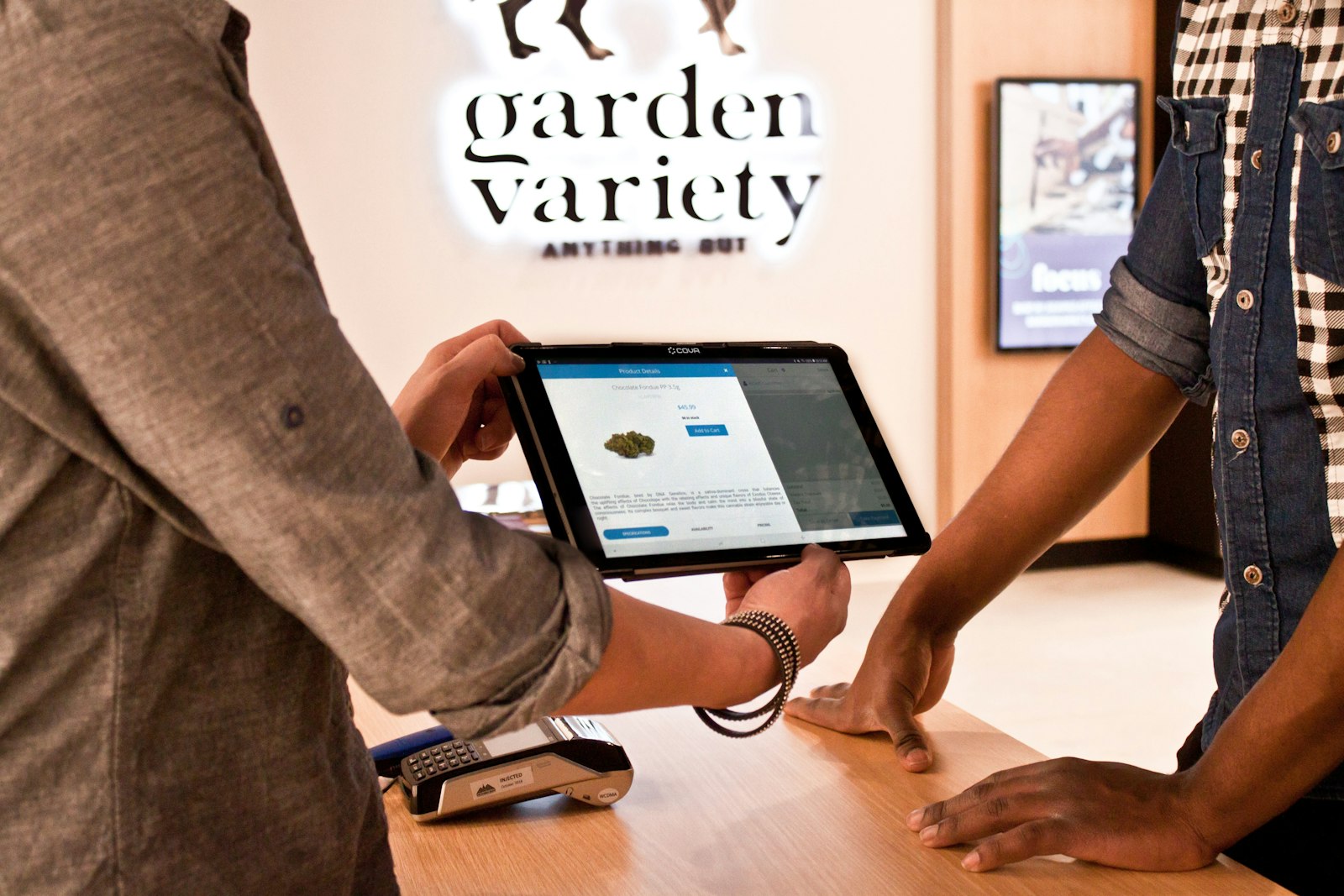
Removing the desk does not mean removing the people. It means moving them. The best “no desk” stands position staff inside the experience, at demo stations, at lounge perches, at meeting tables visible from the aisle. Visitors choose their own moment of engagement, which changes the dynamic from “fending off the salesperson” to “asking the expert.”
The staffing model needs to support this: fewer floor people, better trained, with clear authority to take meetings on the spot. The teams that win here are the ones that send their actual product specialists to the show, not just their event staff.
The reception desk was usually the loudest brand surface in the booth, the back wall behind it, the logo above it, the printed graphics on the front of the counter. Without it, the brand needs a new anchor.
The best solution we have seen is to push the brand into the architecture itself. A hero structural element that carries the identity, rather than a flat graphic surface that displays it. This is harder and more expensive than a printed back wall. It ages better, photographs better, and solves a problem the reception desk only ever half-solved, the problem of the brand looking the same in every booth at every show.
Removing the reception desk only works if the booth perimeter is genuinely open. Half-open, one wide entry plus a partial wall, creates a worst-of-both-worlds condition where visitors slow down, look for the missing desk, and then leave.
The decision has to be all-the-way. A perimeter that signals “walk in from anywhere” needs to actually be walkable from anywhere, multiple entry points, no implied threshold, no graphic wall acting as a soft barrier. The contractors who quote you a no-desk stand with a 60% closed perimeter are quoting you the old booth with one piece removed. That is not the same thing.
“The reception desk is not really disappearing. It is being replaced, by the booth itself, doing the work the desk used to do.”
Three or four new essays per quarter on design, sustainability, logistics and the trade-show floor. No promos, no calendar spam.
ONE EMAIL PER QUARTER · UNSUBSCRIBE ANY TIME
