Drayage, and the Atlantic gap
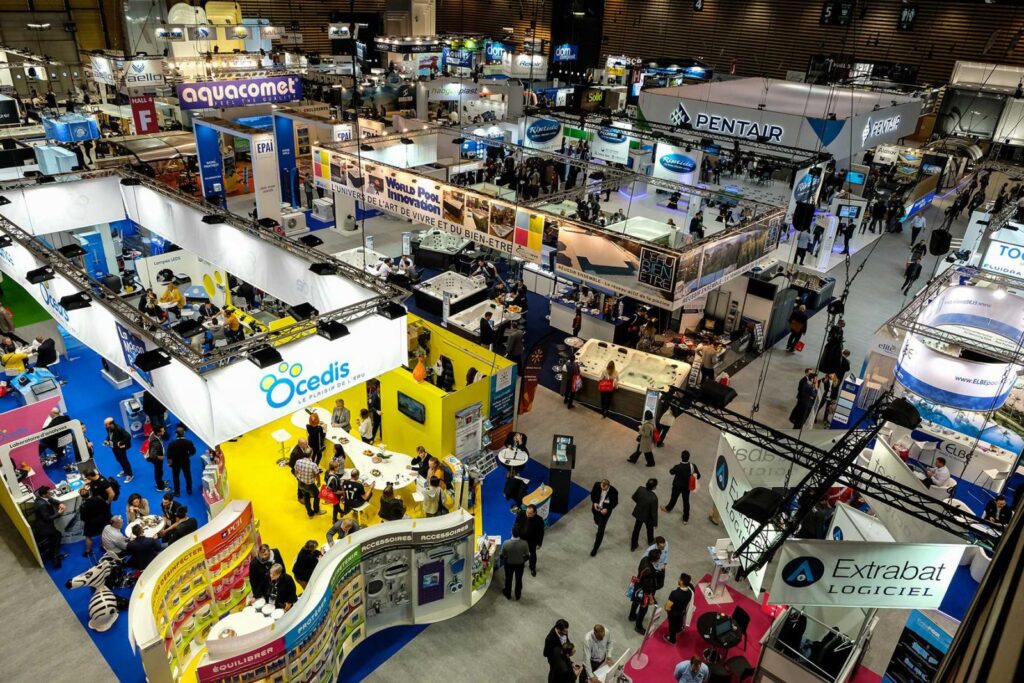
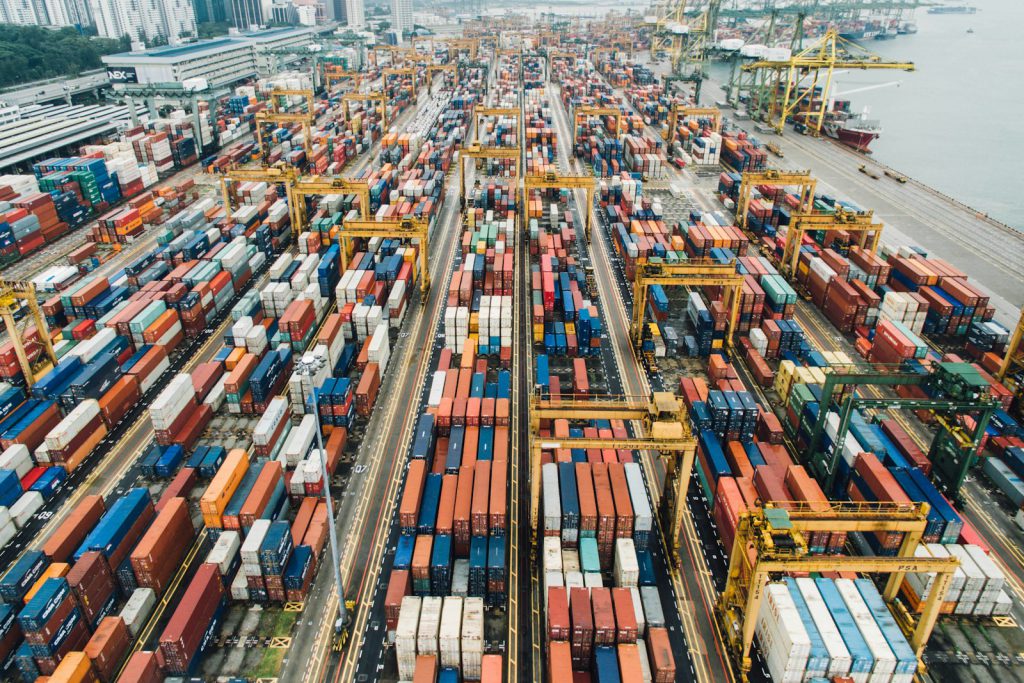
BACK · THE FLOOR NOTES VOL. XII · ISSUE 04 · DESIGN, LEAD DESIGN · ISSUE 04 Drayage, and the Atlantic gap. Why a 20×20 in Las Vegas costs more to move than the same booth in Frankfurt, and what the bill actually pays for. Afirst-time exhibitor at CES will open the show services manual, find the line item marked “material handling,” and assume it is a typo. A 1,000-pound crate, moved approximately 200 feet from the loading dock to the booth space, can cost more than the international air freight that got it to Las Vegas in the first place. The exhibitor calls the contractor. The contractor explains it is normal. The exhibitor asks if it works this way in Europe. The contractor pauses. It does not. “The drayage gap between the United States and Europe is one of the most consistent, and least-discussed, line items separating the cost of exhibiting on the two continents.” What drayage is, and what it covers. Drayage, also called material handling, is the service of moving exhibitor freight from the dock to the booth space, handling it during the show, and moving it back out to the truck at strike. In the United States it is priced by hundredweight (CWT), typically a per-100-pound rate, with minimums that mean small shipments pay disproportionately. The service usually includes unloading at the dock, inbound storage, delivery to booth space, removal of empty crates to storage during the show, return of empties at end-of-show, and re-loading at strike. It does not include uncrating, positioning the booth, or building it. Those are separate labor charges. The drayage bill is for the move, not the build. Why the Las Vegas number is so much larger than the Frankfurt number. Three structural reasons, in roughly the order of how much they each contribute. One. Labor practices. US convention centers operate under collective bargaining agreements that govern which workers can touch which freight. In most major US show cities, the contractor’s labor force has exclusive jurisdiction over freight handling on the show floor. Exhibitors cannot move their own crates. They cannot bring their own forklifts. They cannot hire their own crews to handle freight inside the hall. The contractor is the only buyer for the work, and the only seller of the service. European venues, by contrast, generally allow exhibitors to engage their own crews or to handle smaller items themselves, within reasonable limits. The labor market for material handling is competitive in Europe and largely not in the US. The wages are comparable. The market structure is not. Two. Contractor consolidation. A small number of general services contractors dominate the US market for major shows. They are the official services providers at most large venues, which means they are also the only authorized drayage vendor for those shows. There is no competing bid for the work. Europe has more national-scale contractors, more independent freight forwarders, and more venue-direct arrangements. Less consolidation means more price competition. Three. The marshalling yard. Large US shows route inbound trucks through an off-site marshalling yard, where trucks wait, sometimes for hours, sometimes for days, to be called into the dock. The waiting time, the yard staff, the dispatching, the radio coordination, all of that is built into the per-CWT drayage rate. European shows tend to have direct-to-dock scheduling with assigned arrival windows. The yard cost, distributed across all exhibitors, is meaningful. What the bill is really paying for. It is paying for the labor agreement. It is paying for the contractor’s exclusive position at the venue. It is paying for the marshalling logistics. It is also paying for a real service that has real costs, material handling at a 1.5-million-square-foot show is not free, and the people doing the work earn it. “The European number is lower because the structure is different, not because European labor is cheaper. The American premium is a structural premium.” This matters because it tells you what is and is not negotiable. The labor rate is not negotiable. The contractor’s exclusivity is not negotiable. What is negotiable is everything inside the structure, how you ship, what you ship, when you ship it, and how the bill is calculated against your specific freight. What exhibitors can actually do. There are a small number of moves that reduce the bill meaningfully without trying to renegotiate the entire labor agreement. Ship to the advance warehouse, not direct-to-show. Advance-warehouse shipping is almost always cheaper per CWT than show-site delivery, and the contractor handles the timing risk on your behalf. Direct-to-show shipping is usually a panic decision, and it is priced accordingly. Consolidate crates above the minimums. Drayage minimums mean that a 150-pound crate and a 250-pound crate often cost the same. Combining two small shipments into one round-numbered consolidation is often a meaningful saving for very little effort. Ship fewer, heavier crates. Per-CWT pricing rewards density. Splitting a heavy build into many lighter crates triggers more minimums and more handling fees. Splitting it into fewer, heavier ones does not. Use nesting reusable cases. Empty case storage during the show is a real cost. Cases that nest reduce the volume in empties storage and reduce return-freight volumes after the show. The bigger move. For programs running both US and European shows, the most useful change is to stop budgeting them as one program. The same booth costs different money in different cities, and the difference is large enough that it should affect which shows the program actually exhibits at, how often, and at what footprint. The Atlantic gap is real. It belongs in the planning spreadsheet at the front of the year, not as a surprise on the invoice at the back of it. “The drayage bill is not a billing error. It is a market structure. Read it that way, and most of the optimization moves become obvious.”
CES 2026: five stands to study
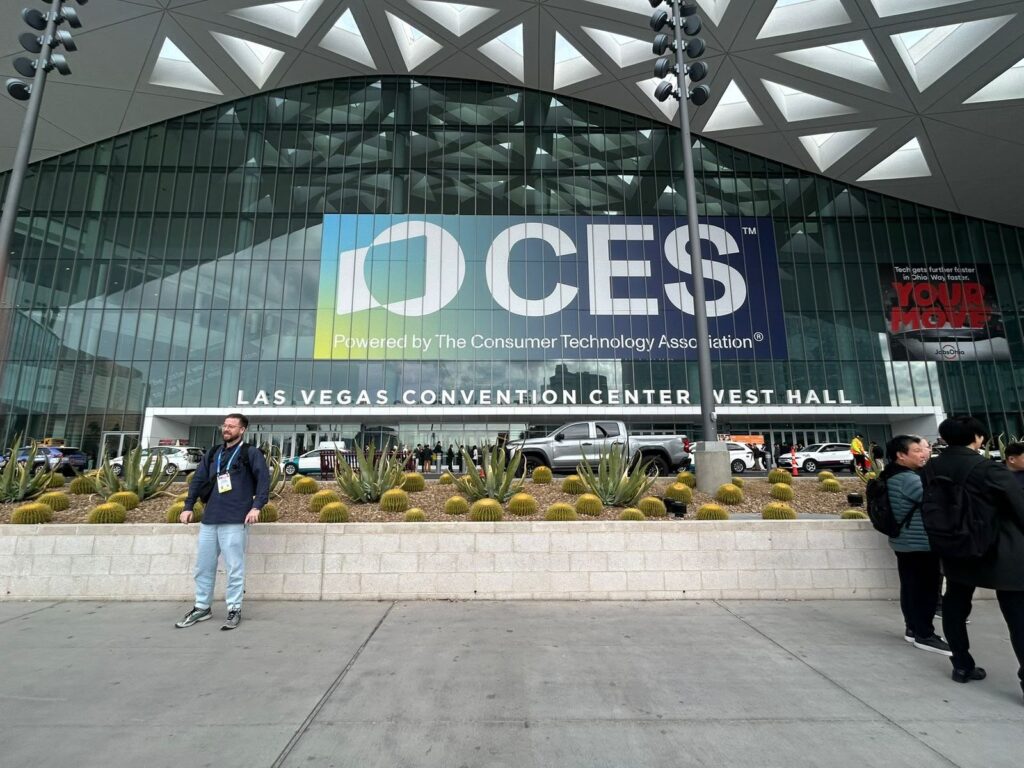
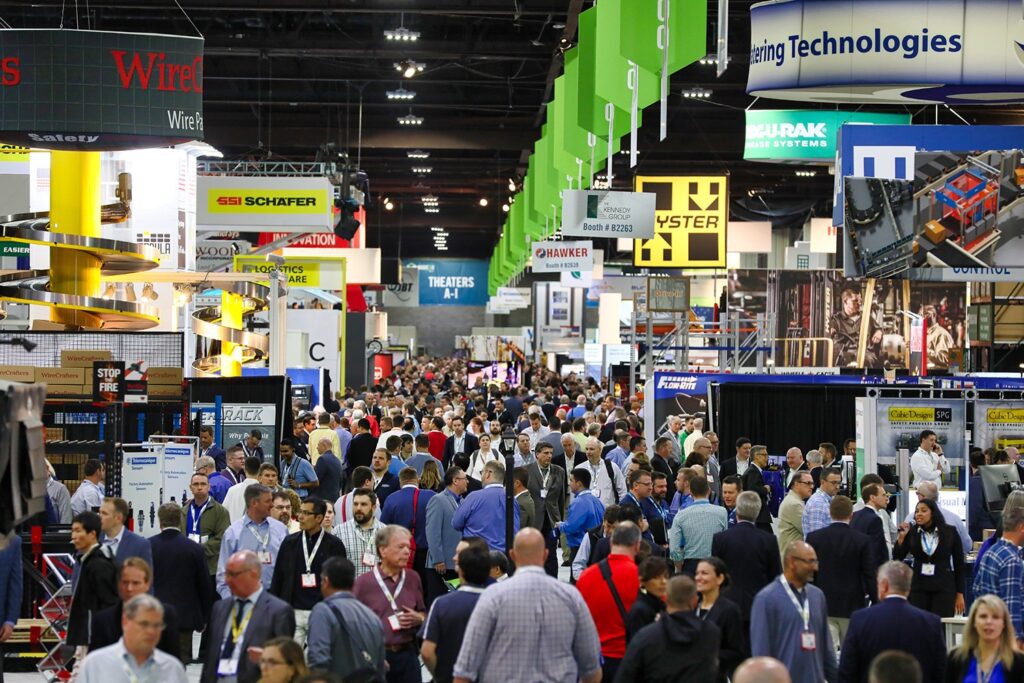
BACK · THE FLOOR NOTESVOL. XII · ISSUE 04 · FIELD NOTES FIELD NOTES · CES 2026 CES 2026: five stands to study. A working designer’s annotated tour of what landed, and what we’d steal. CES is a strange show to design for. The footprints are larger than most teams will build in a year. The lighting is brutal. The neighbors are loud. And the brief, almost always, is some variation of “make AI feel inevitable.” The 2026 show, January 6 through 9, 148,000-plus through the doors, was less about 4D thrill rides than about quiet engineering choices that paid off across a 50-foot sight line. Five stands stood out, not because they had the biggest spend, but because each one solved a specific problem the rest of us are also solving. Here’s what landed, and what we’d put in our own drawings on the way home. N° 01. Waymo. The 600-pound car that doesn’t touch the floor. What you noticed first wasn’t the booth. It was the car, a full-scale Waymo vehicle suspended overhead, with a massive rotating logo behind it, visible from halfway across the hall. Built with NVE Experience Agency, the stand used the floating vehicle as the gravitational pull, then routed everything else around the orbit. Inside, the immersive moments were quieter. A POV experience let attendees see the road the way the Waymo driver sees it, snow, fog, the unexpected pedestrian. The exterior wall ran a playful illustrated animation of a Waymo moving through a montage of cities, doubling as wayfinding for foot traffic two aisles away. “What we’d steal: the singular elevated object. Most briefs spend the budget on the perimeter. Waymo spent it on the void above the visitor’s head.” The structural calc for suspending a 600-pound payload from venue rigging is non-trivial, but it is almost always cheaper than building a 25-foot hero wall to do the same wayfinding job. Worth pricing on the next brief that asks for “presence from a distance.” N° 02. Brunswick. Water, working hard. The marine-tech brief is an awkward one. How do you sell boats, on-board AI, and watercraft electrification on a concrete floor, in a building, in the desert. Brunswick’s answer was to bring the water in. The entrance featured a working fountain choreographed around the ‘B’ logo, not a static feature, but a programmed sequence with synchronized lighting and a matched soundscape. Inside, enormous LED screens carried the flowing-water motif into the product messaging, and wave-like neon lighting was recessed into the floor itself. The Fliteboard electric watersports device made an appearance as the demo centerpiece. Build by Kubik. The detail we kept coming back to was the sound-buffering panels overhead, easy to miss, almost certainly the reason the whole sensory layer worked. “If your brief asks for “an immersive experience,” your first line item should be acoustic panels, not the LEDs everyone will compliment you on after move-in.” N° 03. Lego × Sphere. The booth that wasn’t a booth. The most-photographed exhibit moment of CES 2026 didn’t happen inside the Las Vegas Convention Center. It happened on the exterior of Sphere, where Lego, Disney Consumer Products, and Lucasfilm transformed the venue into a live, playable Star Wars activation inspired by the original 1977 film. The most powerful exhibit moment of the show was not, in any conventional sense, an exhibit. The team made a deliberate call. Instead of competing for attention inside a hall with 4,000 other booths, they took over the most-visited screen in the country and let the show floor come to them. “For any brand whose primary metric is media impressions, the pre-design question is no longer “how large should our LVCC booth be.” It is “is there a non-booth surface that does this job better, for less.”” N° 04. Intel. The cube, the wrap, and the controlled room. Intel’s CES has been quietly evolving for years. The brand traded its Las Vegas Convention Center footprint for a controlled environment at The Venetian several seasons ago, and 2026 was the year that bet paid off most clearly. The Panther Lake iconography ran from the keynote stage to the showcase to a wrap of the monorail itself, knitting the brand across the surfaces an attendee would encounter in sequence over a single morning’s commute to the hall. Inside the showcase, a motion-interactive LED cube acted as the centerpiece, visitors triggered the visual content with their own movement, which both demonstrated the product narrative (responsive computing) and quietly self-selected the most engaged attendees into the longer demos. “If your KPI is “share of voice across the show week,” the booth is one surface among many, and the cheapest ones are often the most-seen.” N° 05. Hyundai. Quiet shell, loud moments. Hyundai’s stand was almost monastic. Unhurried, contemplative, deliberately stripped of the harsh colors and overlapping soundscapes that defined most of the surrounding aisles. And then, at planned intervals, it wasn’t. A golden robot dog navigated a canary-yellow staircase railing. A parking robot lifted and maneuvered a full IONIQ 5. The X-ble Shoulder industrial exoskeleton went onto visitors’ bodies for a hands-on assembly demo. The architecture did a specific job here. By keeping the baseline atmosphere quiet, the stand turned every demo into an event, a heads-turn moment that felt unscheduled, even though it almost certainly wasn’t. “Most briefs ask for “high energy throughout.” The better question is: what does the visitor’s nervous system actually want over a 12-minute dwell, and where in that 12 minutes is the one moment they will tell a colleague about back at the hotel.” What it added up to. Five stands, five very different briefs, five answers worth taking back to the drawing board. The honest read on CES 2026 is that spectacle still works, but only when it is pinned to a specific design problem. The Waymo car floats for a reason. The Brunswick fountain is doing acoustic and orientation work simultaneously. Sphere replaces the booth entirely because the booth was not the right answer
Beyond the bamboo
BACK · THE FLOOR NOTESVOL. XII · ISSUE 04 · SUSTAINABILITY SUSTAINABILITY · ISSUE 04 Beyond the bamboo. Sorting the sustainability decisions that actually change the footprint from the ones that just photograph well. There is a particular kind of sustainable booth that has become its own genre. You can spot it from two aisles away. Bamboo poles. Live plants. Hempseed-oiled wood panels. Signage in earth tones. A small placard explaining that the entire structure is “100% recyclable.” The visitor nods, photographs it, and posts it to LinkedIn. The booth is then disassembled, packed into a 40-foot trailer, trucked 800 miles to a warehouse, and broken down for scrap, because the venue did not actually have a recycling stream that could handle treated bamboo, and the warehouse does not have one either. This is the gap between sustainability as a design choice and sustainability as a photographic style. The two are different, and one of them is significantly harder. Here is what actually moves the footprint. The carbon is in the freight. For most exhibit programs, transport is the single largest source of emissions, usually larger than materials, fabrication, and on-show energy use combined. A double-deck booth shipped from Frankfurt to Las Vegas and back will burn more carbon in the freight alone than the entire structure represents in embodied material. The first sustainability decision is not what the booth is made of. It is whether the booth needs to be there in that form, on that show, from that origin at all. “The high-impact moves are unglamorous. Regional fabrication. Reusable shipping cases. Optimized crate volumes. Consolidated trucks. None of them photograph well. All of them matter more than the bamboo.” Reusable beats recyclable, almost always. A material that gets used twenty times has a lower per-show carbon cost than a material that gets recycled after one show, even if the second material has a better recycled-content claim on paper. This sounds obvious. Most “sustainable booth” pitches still lead with recyclability rather than reuse. The shift that matters is from project thinking to program thinking. A reusable kit costs more upfront, ships better, and rebuilds faster. Over a three-year show calendar it usually pays for itself in freight savings alone. The sustainability win is a side effect of a decision the CFO already wanted to make. End-of-life is a design problem, not a disposal problem. Most “recyclable” booth materials are technically recyclable and practically not. They are bonded, painted, or treated in ways that make actual recycling economically unviable at the venue end. The skip is the honest outcome. The decision happens at the spec stage, not at strike. Mono-material constructions, a panel that is all-aluminum or all-plywood, rather than a sandwich of three materials glued together, can actually be recycled at end of life. Mechanical fasteners instead of adhesives. Finishes that can be sanded off rather than chemically stripped. These choices add cost at fabrication and recover it at disposal. “The honest test for a sustainability claim is the question: who, specifically, will take this apart, and what will they do with each piece. If the answer is “the show contractor, in a dumpster,” the claim is decorative.” Energy is the easy win nobody talks about. LED replacement of older incandescent and halogen show lighting is the cheapest, fastest, most measurable sustainability move available to most programs. It typically pays back inside two show seasons on an active calendar. It reduces venue power draw. It reduces booth heat load, which reduces HVAC demand, which compounds the savings. And it is invisible to the visitor. The booth looks identical. The bill is smaller. The footprint is smaller. The fact that this is rarely the headline sustainability claim tells you something about how the conversation has been framed. The visible moves get the press release. The invisible moves get the actual reduction. Two questions before you hire a sustainability consultant. One: can you measure the footprint of the existing program, in real numbers, before you change anything? If the answer is no, the consulting engagement will produce decorative outcomes. The first deliverable of any serious sustainability program should be a baseline carbon accounting of the current show calendar, freight, materials, energy, end-of-life, by show, by stand, in tonnes of CO₂e. Without that number, every subsequent recommendation is a guess dressed up as a strategy. Two: which of the proposed changes will the visitor never see? If the consultant’s recommendations are all visible, bamboo, plants, earthy signage, hand-lettered cards explaining the wood grain, that is a branding engagement, not a sustainability one. The high-impact moves are mostly invisible from the aisle. That is how you know they are real. The bamboo is not the problem. The problem is mistaking the bamboo for the work. The work is in the freight schedule, the materials spec, the energy plan, and the program-level decision about which shows the brand actually needs to attend in person. That work happens in spreadsheets, not in photographs. It is also where the actual reductions live.
The disappearing reception desk
BACK · THE FLOOR NOTES VOL. XII · ISSUE 04 · DESIGN, LEAD DESIGN · ISSUE 04 The disappearing reception desk. Booth entries are being redesigned around no greeter at all. The four decisions reshaping how visitors actually arrive, and the one perimeter rule most teams get wrong on the first try. The reception desk has been the front door of the trade show booth for forty years. A waist-high counter, an iPad on a stand, a person in branded polyester. It is one of the most universal elements in exhibit design, and it is, quietly, on its way out. Walk any 2026 floor and you will see the shift in slow motion. The big stands at CES, Mobile World Congress, and the spring auto shows are increasingly designed around a “no front desk” arrival sequence, visitors enter into the experience directly, with no greeter, no badge scan, no opening pitch. Some of this is post-pandemic muscle memory. Some of it is a response to staffing costs that have climbed sharply over the last three years. And some of it is just better design. We have worked on four stands this year built without a reception desk at all. Here is what we have learned about the decisions that actually matter. Decision one. What does the visitor do in the first six seconds? If there is no greeter telling the visitor where to go, the booth itself has to do that job. Most teams default to “a big screen”, which works, until the second screen, the third screen, and the demo station ten feet behind it all start competing for the same attention. The discipline is in choosing the one element that owns the first six seconds. A hero product. A single moving image. A piece of architecture that funnels the eye. Pick one, commit, and make every other element subordinate to it. Decision two. Where does the lead capture happen? The reception desk was, quietly, the lead capture mechanism. Take it away and the question becomes, where does the badge scan happen now, and who triggers it. The best stands we have seen distribute lead capture across the demos themselves. Visitors scan to start an experience, to receive a sample, to enter a giveaway. The capture becomes a value exchange, not a tollbooth. “Qualified leads up, total leads down, sales cycle shorter. The reception desk was inflating top-of-funnel numbers that did not survive the follow-up call.” Decision three. How visible are the staff, and from where? Removing the desk does not mean removing the people. It means moving them. The best “no desk” stands position staff inside the experience, at demo stations, at lounge perches, at meeting tables visible from the aisle. Visitors choose their own moment of engagement, which changes the dynamic from “fending off the salesperson” to “asking the expert.” The staffing model needs to support this: fewer floor people, better trained, with clear authority to take meetings on the spot. The teams that win here are the ones that send their actual product specialists to the show, not just their event staff. Decision four. What replaces the desk as the brand anchor? The reception desk was usually the loudest brand surface in the booth, the back wall behind it, the logo above it, the printed graphics on the front of the counter. Without it, the brand needs a new anchor. The best solution we have seen is to push the brand into the architecture itself. A hero structural element that carries the identity, rather than a flat graphic surface that displays it. This is harder and more expensive than a printed back wall. It ages better, photographs better, and solves a problem the reception desk only ever half-solved, the problem of the brand looking the same in every booth at every show. The one perimeter rule. Removing the reception desk only works if the booth perimeter is genuinely open. Half-open, one wide entry plus a partial wall, creates a worst-of-both-worlds condition where visitors slow down, look for the missing desk, and then leave. The decision has to be all-the-way. A perimeter that signals “walk in from anywhere” needs to actually be walkable from anywhere, multiple entry points, no implied threshold, no graphic wall acting as a soft barrier. The contractors who quote you a no-desk stand with a 60% closed perimeter are quoting you the old booth with one piece removed. That is not the same thing. “The reception desk is not really disappearing. It is being replaced, by the booth itself, doing the work the desk used to do.” The teams that get this right end up with stands that feel more open, more confident, and more current. The teams that do not end up with the old booth, minus the welcome.
Hello world!
Welcome to WordPress. This is your first post. Edit or delete it, then start writing!