
VOL. XII · ISSUE 04 · SUSTAINABILITY
Sorting the sustainability decisions that actually change the footprint from the ones that just photograph well.

There is a particular kind of sustainable booth that has become its own genre. You can spot it from two aisles away. Bamboo poles. Live plants. Hempseed-oiled wood panels. Signage in earth tones. A small placard explaining that the entire structure is “100% recyclable.”
The visitor nods, photographs it, and posts it to LinkedIn.
The booth is then disassembled, packed into a 40-foot trailer, trucked 800 miles to a warehouse, and broken down for scrap, because the venue did not actually have a recycling stream that could handle treated bamboo, and the warehouse does not have one either.
This is the gap between sustainability as a design choice and sustainability as a photographic style. The two are different, and one of them is significantly harder. Here is what actually moves the footprint.
For most exhibit programs, transport is the single largest source of emissions, usually larger than materials, fabrication, and on-show energy use combined. A double-deck booth shipped from Frankfurt to Las Vegas and back will burn more carbon in the freight alone than the entire structure represents in embodied material.
The first sustainability decision is not what the booth is made of. It is whether the booth needs to be there in that form, on that show, from that origin at all.
A material that gets used twenty times has a lower per-show carbon cost than a material that gets recycled after one show, even if the second material has a better recycled-content claim on paper. This sounds obvious. Most “sustainable booth” pitches still lead with recyclability rather than reuse.
The shift that matters is from project thinking to program thinking. A reusable kit costs more upfront, ships better, and rebuilds faster. Over a three-year show calendar it usually pays for itself in freight savings alone. The sustainability win is a side effect of a decision the CFO already wanted to make.
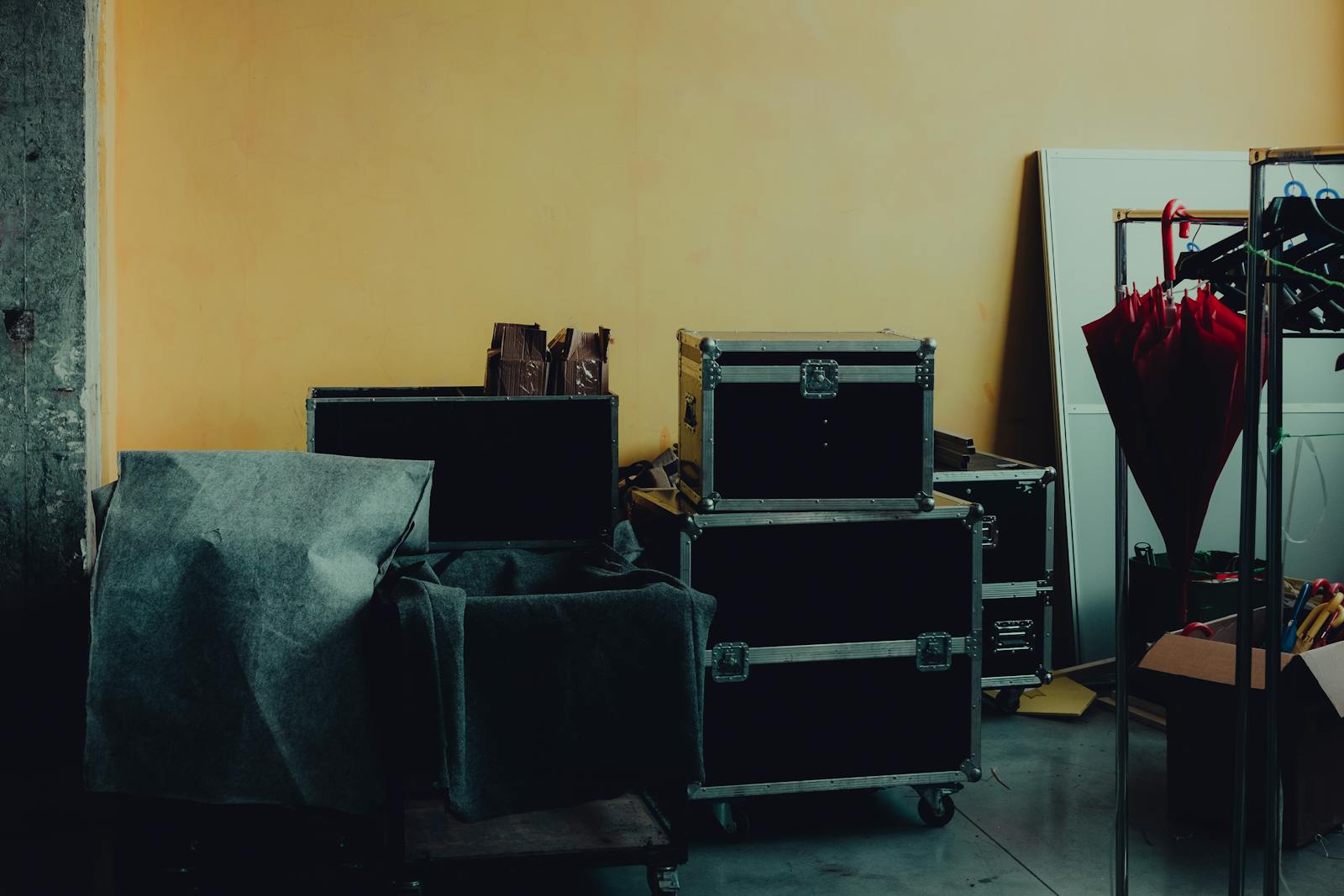
Most “recyclable” booth materials are technically recyclable and practically not. They are bonded, painted, or treated in ways that make actual recycling economically unviable at the venue end. The skip is the honest outcome.
The decision happens at the spec stage, not at strike. Mono-material constructions, a panel that is all-aluminum or all-plywood, rather than a sandwich of three materials glued together, can actually be recycled at end of life. Mechanical fasteners instead of adhesives. Finishes that can be sanded off rather than chemically stripped. These choices add cost at fabrication and recover it at disposal.
“The honest test for a sustainability claim is the question: who, specifically, will take this apart, and what will they do with each piece. If the answer is “the show contractor, in a dumpster,” the claim is decorative.”
LED replacement of older incandescent and halogen show lighting is the cheapest, fastest, most measurable sustainability move available to most programs. It typically pays back inside two show seasons on an active calendar. It reduces venue power draw. It reduces booth heat load, which reduces HVAC demand, which compounds the savings. And it is invisible to the visitor. The booth looks identical. The bill is smaller. The footprint is smaller.
The fact that this is rarely the headline sustainability claim tells you something about how the conversation has been framed. The visible moves get the press release. The invisible moves get the actual reduction.
One: can you measure the footprint of the existing program, in real numbers, before you change anything? If the answer is no, the consulting engagement will produce decorative outcomes. The first deliverable of any serious sustainability program should be a baseline carbon accounting of the current show calendar, freight, materials, energy, end-of-life, by show, by stand, in tonnes of CO₂e. Without that number, every subsequent recommendation is a guess dressed up as a strategy.
Two: which of the proposed changes will the visitor never see? If the consultant’s recommendations are all visible, bamboo, plants, earthy signage, hand-lettered cards explaining the wood grain, that is a branding engagement, not a sustainability one. The high-impact moves are mostly invisible from the aisle. That is how you know they are real.
The bamboo is not the problem. The problem is mistaking the bamboo for the work. The work is in the freight schedule, the materials spec, the energy plan, and the program-level decision about which shows the brand actually needs to attend in person. That work happens in spreadsheets, not in photographs. It is also where the actual reductions live.
Three or four new essays per quarter on design, sustainability, logistics and the trade-show floor. No promos, no calendar spam.
ONE EMAIL PER QUARTER · UNSUBSCRIBE ANY TIME
