
VOL. XII · ISSUE 04 · DESIGN, LEAD
Why a 20×20 in Las Vegas costs more to move than the same booth in Frankfurt, and what the bill actually pays for.
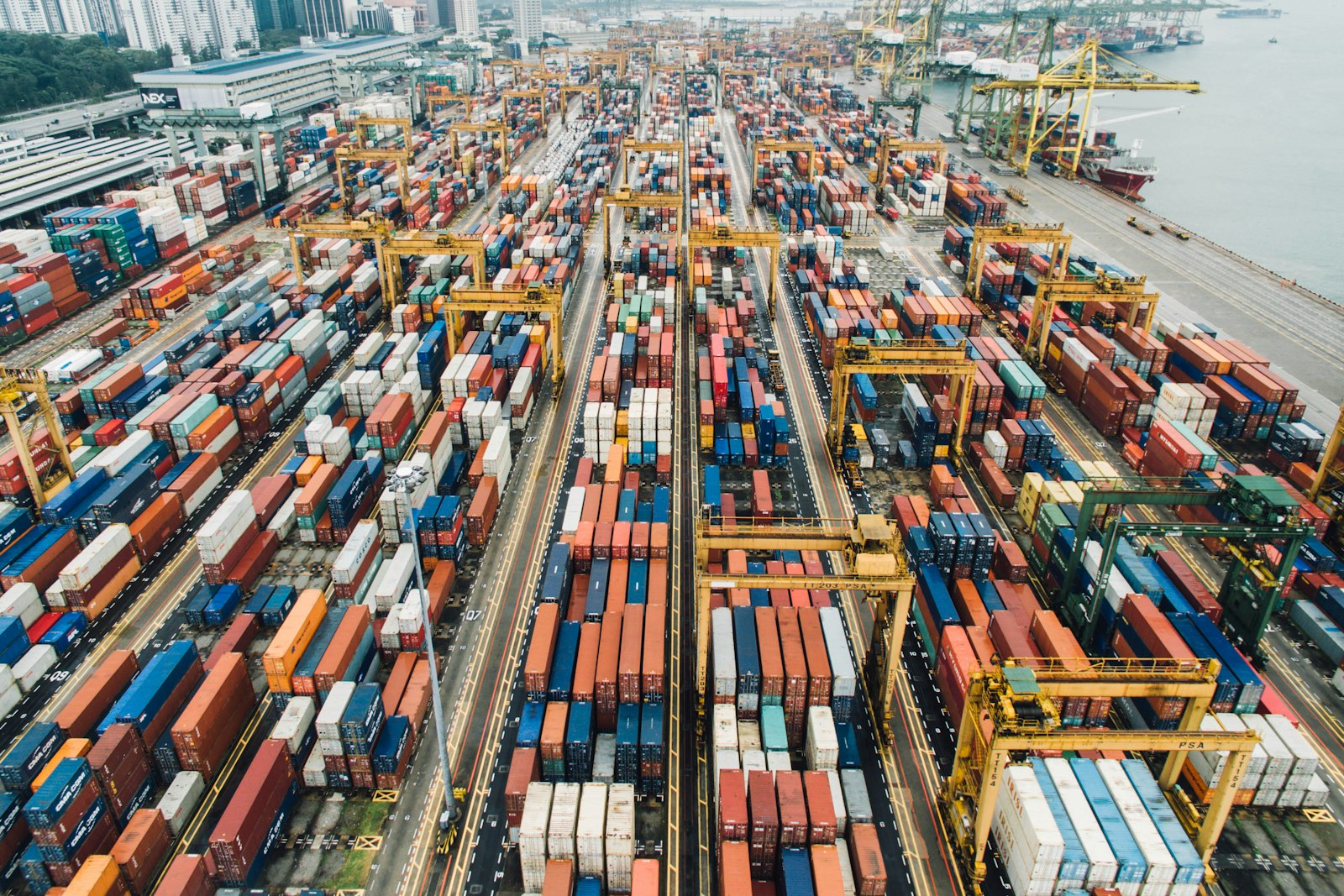
Afirst-time exhibitor at CES will open the show services manual, find the line item marked “material handling,” and assume it is a typo. A 1,000-pound crate, moved approximately 200 feet from the loading dock to the booth space, can cost more than the international air freight that got it to Las Vegas in the first place.
The exhibitor calls the contractor. The contractor explains it is normal. The exhibitor asks if it works this way in Europe.
The contractor pauses.
It does not.
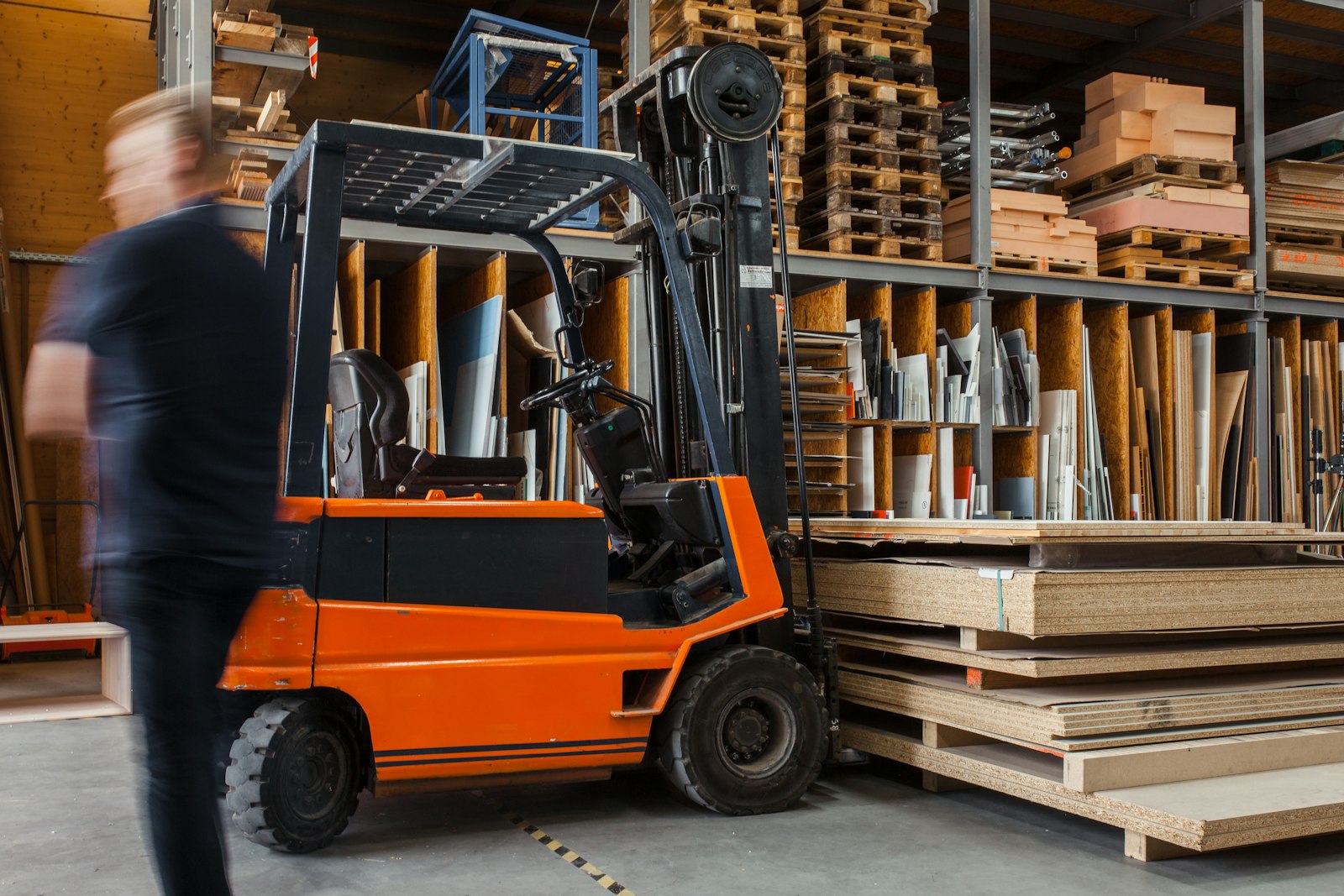
Drayage, also called material handling, is the service of moving exhibitor freight from the dock to the booth space, handling it during the show, and moving it back out to the truck at strike. In the United States it is priced by hundredweight (CWT), typically a per-100-pound rate, with minimums that mean small shipments pay disproportionately.
The service usually includes unloading at the dock, inbound storage, delivery to booth space, removal of empty crates to storage during the show, return of empties at end-of-show, and re-loading at strike. It does not include uncrating, positioning the booth, or building it. Those are separate labor charges. The drayage bill is for the move, not the build.
Three structural reasons, in roughly the order of how much they each contribute.
US convention centers operate under collective bargaining agreements that govern which workers can touch which freight. In most major US show cities, the contractor’s labor force has exclusive jurisdiction over freight handling on the show floor. Exhibitors cannot move their own crates. They cannot bring their own forklifts. They cannot hire their own crews to handle freight inside the hall. The contractor is the only buyer for the work, and the only seller of the service.
European venues, by contrast, generally allow exhibitors to engage their own crews or to handle smaller items themselves, within reasonable limits. The labor market for material handling is competitive in Europe and largely not in the US. The wages are comparable. The market structure is not.
A small number of general services contractors dominate the US market for major shows. They are the official services providers at most large venues, which means they are also the only authorized drayage vendor for those shows. There is no competing bid for the work. Europe has more national-scale contractors, more independent freight forwarders, and more venue-direct arrangements. Less consolidation means more price competition.
It is paying for the labor agreement. It is paying for the contractor’s exclusive position at the venue. It is paying for the marshalling logistics. It is also paying for a real service that has real costs, material handling at a 1.5-million-square-foot show is not free, and the people doing the work earn it.
Per-CWT pricing rewards density. Splitting a heavy build into many lighter crates triggers more minimums and more handling fees. Splitting it into fewer, heavier ones does not.
Three or four new essays per quarter on design, sustainability, logistics and the trade-show floor. No promos, no calendar spam.
ONE EMAIL PER QUARTER · UNSUBSCRIBE ANY TIME
