
VOL. XII · ISSUE 04 · DESIGN, LEAD
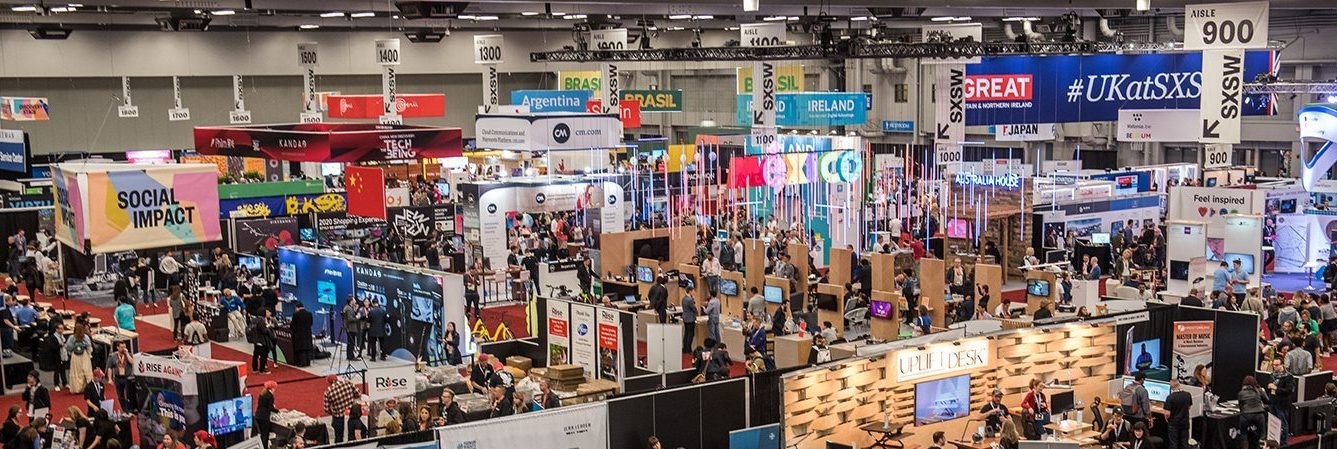
It’s tempting to treat “book early” as generic advice that applies the same way everywhere. It doesn’t. The difference comes down to how the two systems are actually built.
Most US shows run on a general services contractor (GSC) model, think Freeman, GES, or similar regional players, who manage labor, drayage and on-site logistics under fairly standardized union agreements that vary by city rather than by show. That gives US exhibitors a bit more room to move later in the process, because the GSC system is used to absorbing last-minute changes, at a price.
European shows, particularly the big ones in Germany, France, Italy and the UK, are usually run through centralized Messe organizations. These operators lock in hall bookings, stand approval processes and safety inspections much earlier, and international freight almost always means customs paperwork. If your booth is fabricated in one country and shipped to a venue in another, you’re dealing with commercial invoices, and often an ATA Carnet if you’re planning to bring the same structure back out again after the show. None of that happens quickly, and none of it forgives a rushed timeline.
This is the actual reason European planning windows run two to three months longer than US ones. It’s not caution for its own sake, it’s a structural difference in how the two markets operate.
A pattern shows up again and again with exhibitors who come to us later than they should have: it’s rarely one big mistake. It’s usually three or four small delays stacking on top of each other. A design sign-off takes two extra weeks because a stakeholder was traveling. A freight quote comes in higher than expected and gets re-negotiated. A venue’s advance shipping deadline turns out to be earlier than the exhibitor assumed. Individually, none of these feel like a crisis. Together, they can turn a comfortable six-month runway into a six-week scramble.
We saw a version of this play out earlier this year with a client heading to MRO Asia-Pacific, where a tight production window meant very little room for error once fabrication started. It worked out, but only because the timeline had almost no slack left to give.
The exhibitors who avoid this aren’t necessarily better organized in general. They just start the conversation with a builder or rental partner earlier, even before the design is anywhere close to final. That early conversation is what gives you room to absorb the small delays without them compounding, and it’s part of why we wrote separately about why the strongest stand builders tend to be fully booked well before a major show like CES. Capacity really does run out, and it runs out earlier than most first-time exhibitors expect.
Here’s roughly how the process breaks down, in the order it actually happens rather than as a rigid countdown.
Deciding what to show up to. This has to happen first, and it happens earlier than most people plan for. For 2027 shows, this decision is realistically being made now, in late 2026, especially for European events where hall space at the major venues gets allocated well over a year in advance. If you’re weighing a US show against a European one for the first time, the calendars and country notes on our worldwide exhibitions page are a reasonable starting point for figuring out which markets are even worth the investment.
Choosing a builder or rental partner. This should happen well before your design is finalized, not after. A good partner will work with you while the brief is still rough, and knowing your production capacity and timeline early lets you make smarter decisions about booth size and complexity before you’re emotionally attached to a concept that doesn’t fit your schedule. This is also the point where it’s worth deciding whether you actually need a fully custom stand or whether a modular system or a rental would serve your show calendar better, since that decision affects almost every deadline downstream.
Finalizing the design. For US shows, this typically needs to wrap up five to seven months before the show. For European shows, six to eight months, mostly because of the additional structural approval steps some Messe venues require for anything beyond a basic single-story stand. Double-decker structures in particular often need engineering sign-off from the venue, and that process alone can add weeks. The same is true for larger pavilion-style builds, which tend to need the longest design runway of anything we build.
Design decisions at this stage aren’t just aesthetic either. We’ve written before about how a design that only looks good in a rendering doesn’t necessarily perform on the floor, whether that’s a 20×20 footprint that feels empty because it wasn’t built for the space it actually occupies, or a larger stand that draws a crowd but was never designed with a clear path to an actual lead. Getting the layout right the first time saves you from a costly redesign later in the timeline.
Production and fabrication. Three to six months out, depending on complexity. This is also when freight needs to be booked, not just discussed. European shows in particular have hard cutoff dates for advance warehouse delivery, and missing that cutoff usually means paying a steep late-freight premium, if the show even allows it.
Final logistics and install planning. In the last month before the show, the work shifts from design and production to coordination: confirming labor call times, walking through the install schedule phase by phase, and making sure someone senior enough to make quick decisions will actually be on-site. This is also where a lot of avoidable cost creeps in. We’ve gone into more detail on how a poorly sequenced install schedule leads directly to overtime labor charges, which is worth reading if you’re planning anything larger than a standard 10×10 footprint.
Not every stand needs the same runway. A modular system that’s already been used at previous shows can often move faster, because the structural design work is done and what’s left is mostly a refresh of graphics and layout. A fully custom build, by contrast, needs the full runway every time, since nothing is reused.
Rental structures sit somewhere in between, and this is genuinely one of the more useful tools for exhibitors juggling multiple shows in a year, since the same system can be redeployed and reconfigured rather than rebuilt from scratch for each event. If your 2027 calendar has more than two or three shows on it, it’s worth at least having that conversation before defaulting to a custom build for each one.
Larger footprints add their own timeline pressure too. Once you’re past a 20×20 and into 30×30 or 40×40 territory, floor position starts to matter just as much as square footage. Whether you end up with a corner, a peninsula, or a full island affects both your design and your traffic flow, something we’ve broken down in more detail elsewhere for exhibitors weighing those exact layout decisions. More structural elements also mean more labor hours and more that can go wrong in a compressed install window, which is exactly why the planning runway needs to stretch further as the footprint grows, not stay the same.
Sometimes the calendar just doesn’t cooperate, budget approval comes late, a show gets added last-minute, a sponsorship opportunity opens up unexpectedly. If that’s where you are, a few things matter more than usual.
Talk to a potential builder or rental partner about actual capacity, not just interest. “We’d love to work with you” and “we can realistically hit your deadline” are two different answers, and it’s worth asking directly which one you’re getting. Be willing to simplify the design rather than protect an ambitious concept that doesn’t fit the remaining timeline. And ask specifically about rush fees before you commit to anything, since a compressed schedule almost always costs more, and it’s better to know that number upfront than discover it on the final invoice.
Exhibition timelines aren’t bureaucratic box-checking, they reflect real constraints: how fast a structure can actually be fabricated, how long international freight and customs genuinely take, and how far in advance a venue needs to sign off on anything structurally complex. Europe’s timeline runs longer than the US’s for specific, explainable reasons, not tradition. Whatever your 2027 calendar looks like, the earlier you start the conversation, even in rough, undecided form, the more room you have to make good decisions instead of fast ones.
If you want to see how some of this has played out in practice, our portfolio has examples across different footprints and regions, and our about page covers more on how our team approaches this kind of planning day to day. We’ll revisit and update this guide as show calendars and venue rules shift, so it’s worth bookmarking rather than treating as a one-time read.
Three or four new essays per quarter on design, sustainability, logistics and the trade-show floor. No promos, no calendar spam.
ONE EMAIL PER QUARTER · UNSUBSCRIBE ANY TIME
