
VOL. XII · ISSUE 04 · DESIGN, LEAD
CES doesn’t creep up on exhibitors. It arrives right on schedule, every January, and yet every year a predictable group of exhibitors finds itself scrambling in the final quarter, chasing a stand builder who can still fit them in. If you’re reading this in the planning window for CES 2027 and your booth isn’t locked in yet, this is the week to change that.
Here’s exactly what waiting costs you, and how to close the gap before it closes on you.
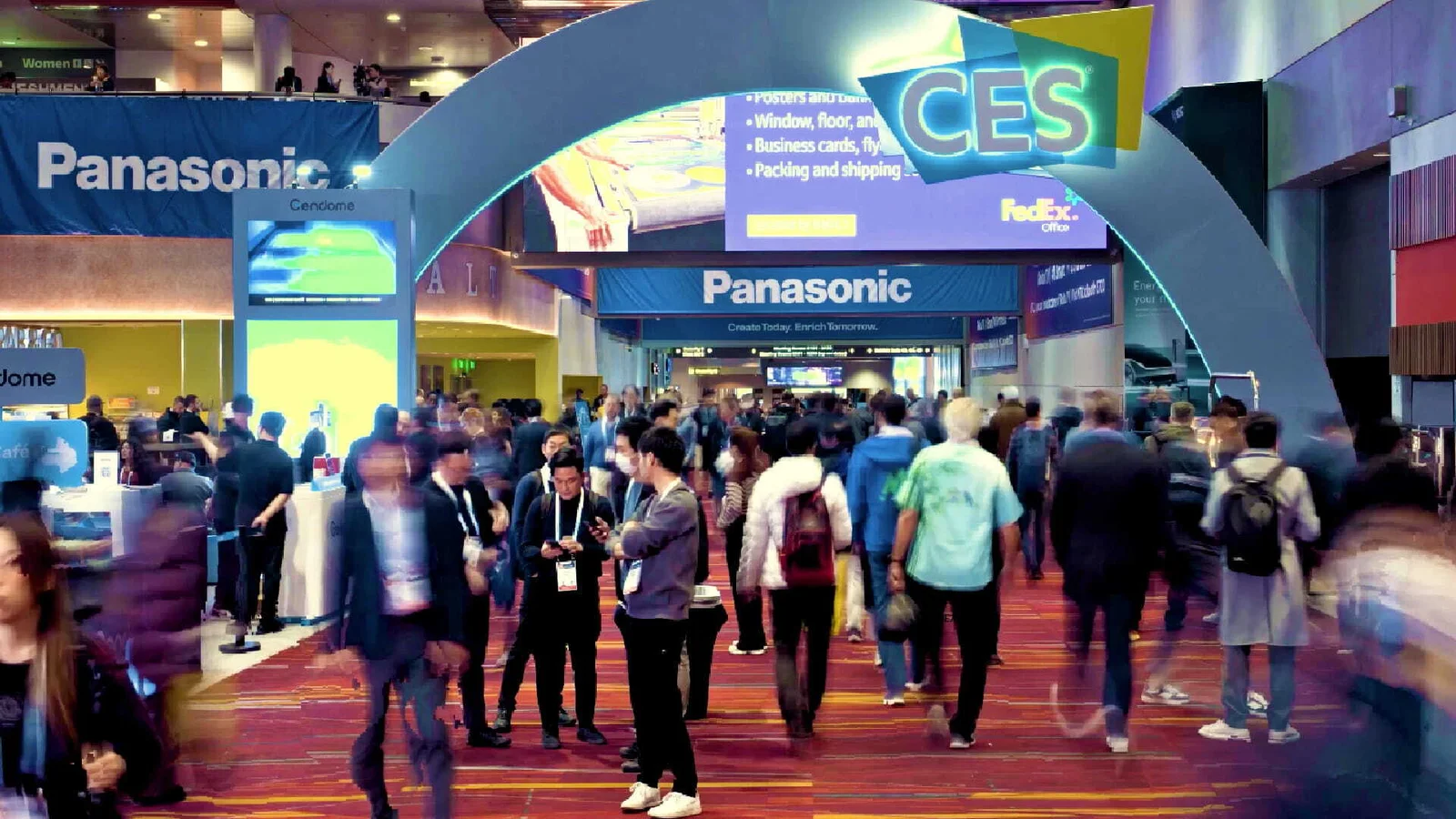
CES is one of the most heavily booked shows on the global circuit. Floor space sells out early, and so does the capacity of every serious exhibition stand builder working the show. The exhibitors who get the best booth locations, the best build slots, and the best design attention are the ones who start early, not the ones who scramble in December.
If you’re planning a serious presence at CES 2027, the planning clock should already be running. Our own breakdown of how far in advance to start shows exactly why the math works against last-minute exhibitors, see the full 12-month trade show planning timeline.
It’s easy to think of “I’ll book next month” as a harmless delay. It isn’t. Here’s what’s quietly slipping away each week you wait:
1. Design Time Shrinks
A custom stand needs real design iteration — concept, feedback, revisions, sign-off. Book late, and that process gets compressed into days instead of weeks, which means less room to get the design right.
2. Production Slots Fill Up
Fabrication crews, materials, and build schedules are finite. The closer you get to the show, the fewer production windows remain, and the more likely you are to be pushed to a generic, less considered build.
3. Freight and Logistics Get Riskier
Shipping a custom stand to Las Vegas takes coordination, and the timelines get tighter the later you start. Delays here can mean a stand that arrives late, or not at all, on move-in day.
4. Prime Booth Real Estate Disappears
Better floor positions get claimed early. A late start often means settling for a location with less traffic, regardless of how strong your stand design is.
5. You Lose Negotiating Room
Early bookings give you flexibility on size, layout, and even budget. Last-minute bookings put you in a take-it-or-leave-it position with whichever builder still has capacity.
None of these costs show up on an invoice, but they show up on the show floor, in your booth’s visibility, and in the leads you don’t generate.
Talk to any exhibitor who booked their stand builder six weeks before CES, and you’ll hear a version of the same story: rushed decisions, a design that got simplified out of necessity, and a build that felt more like damage control than a strategy. We’ve written about this exact pattern and what it actually costs exhibitors in lost ROI, read more on calculating trade show ROI beyond lead count.
The exhibitors who stand out at CES aren’t necessarily the ones with the biggest budgets. They’re the ones who gave their stand builder enough runway to do the job properly.
If you’re behind schedule for CES 2027, you’re not out of options, but you do need a partner who can move fast without cutting corners. Here’s how we help exhibitors catch up without compromising on the stand they actually wanted:
Depending on how much runway you have left, different stand types make more sense:
Not sure which fits your CES 2027 plans and timeline? That’s exactly the kind of question a senior designer can answer in a single conversation.
Three or four new essays per quarter on design, sustainability, logistics and the trade-show floor. No promos, no calendar spam.
ONE EMAIL PER QUARTER · UNSUBSCRIBE ANY TIME
