
VOL. XII · ISSUE 04 · DESIGN, LEAD
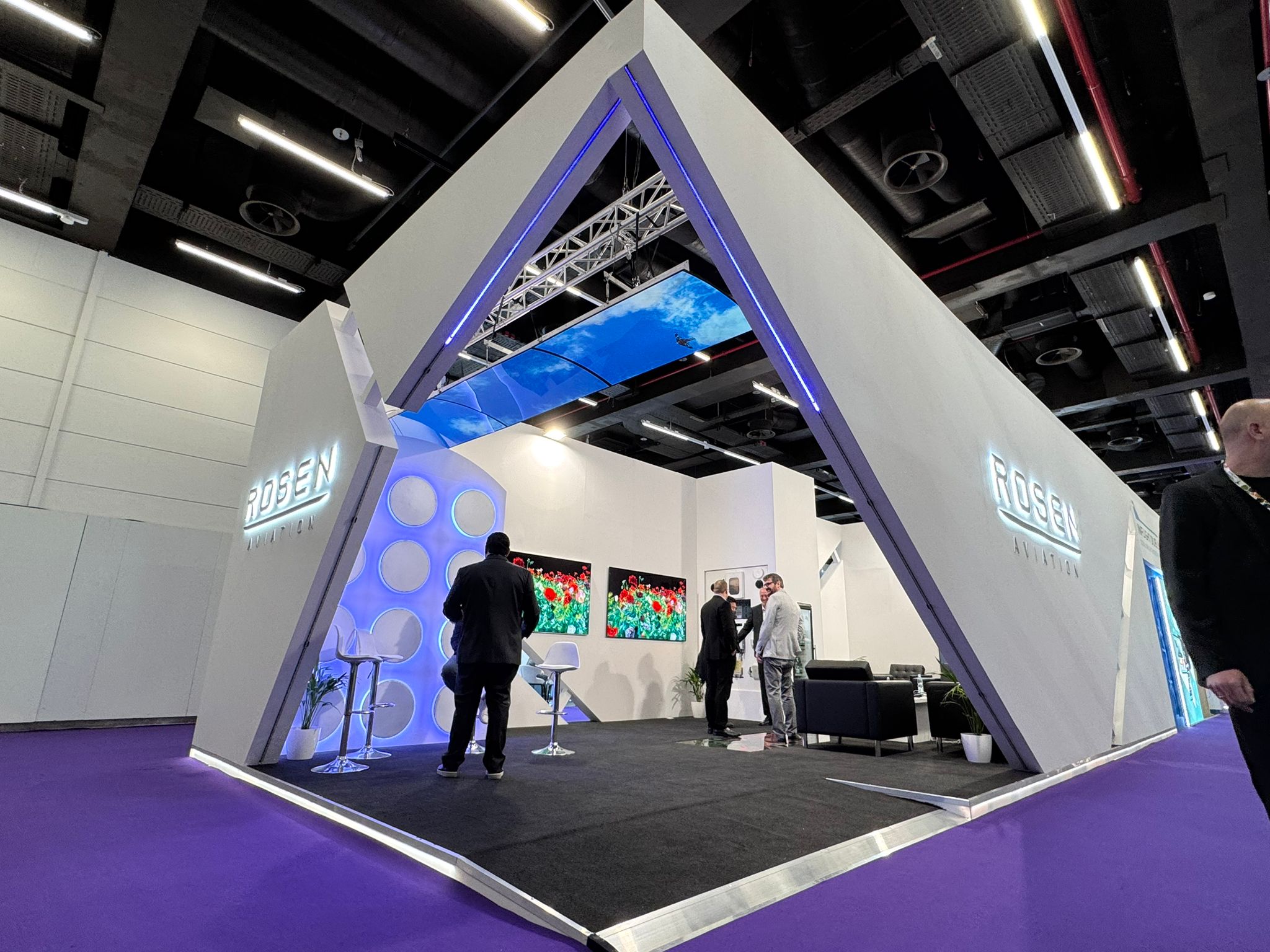
Move-in day is fixed the moment the show organizer sets it. Everything upstream of it, design, fabrication, freight, staffing, marketing, has to land before that date, not after, and there’s no negotiating with a venue’s install schedule the way you can negotiate almost anything else in the process. Once you accept that this one date is non-negotiable, the rest of the calendar stops being a vague sense of urgency and starts being a set of real deadlines you can plan against.
The teams that walk onto the floor calm on move-in day aren’t the ones who worked faster in the final weeks. They’re the ones who did the slow, unglamorous work months earlier so the final weeks had nothing left to rush.
By the final two weeks, your stand should already be crated and moving, not still on a fabrication floor. This is the point in the calendar where most surprises come from logistics rather than design, a delayed customs clearance, a missed freight window, a truck that can’t get a loading dock slot. We’ve written before about how differently this stage plays out depending on where you’re shipping to: Drayage, and the Atlantic Gap breaks down why moving an identical booth into Las Vegas costs and moves differently than moving it into Frankfurt, and that difference is exactly why this stage of the timeline needs more buffer than most teams give it, not less.
This is also when booth staff should be finishing training rather than starting it, who’s working which shift, who owns lead capture, who’s fielding the technical questions. A booth can be flawlessly built and still underperform if the people standing in it weren’t ready for the floor.
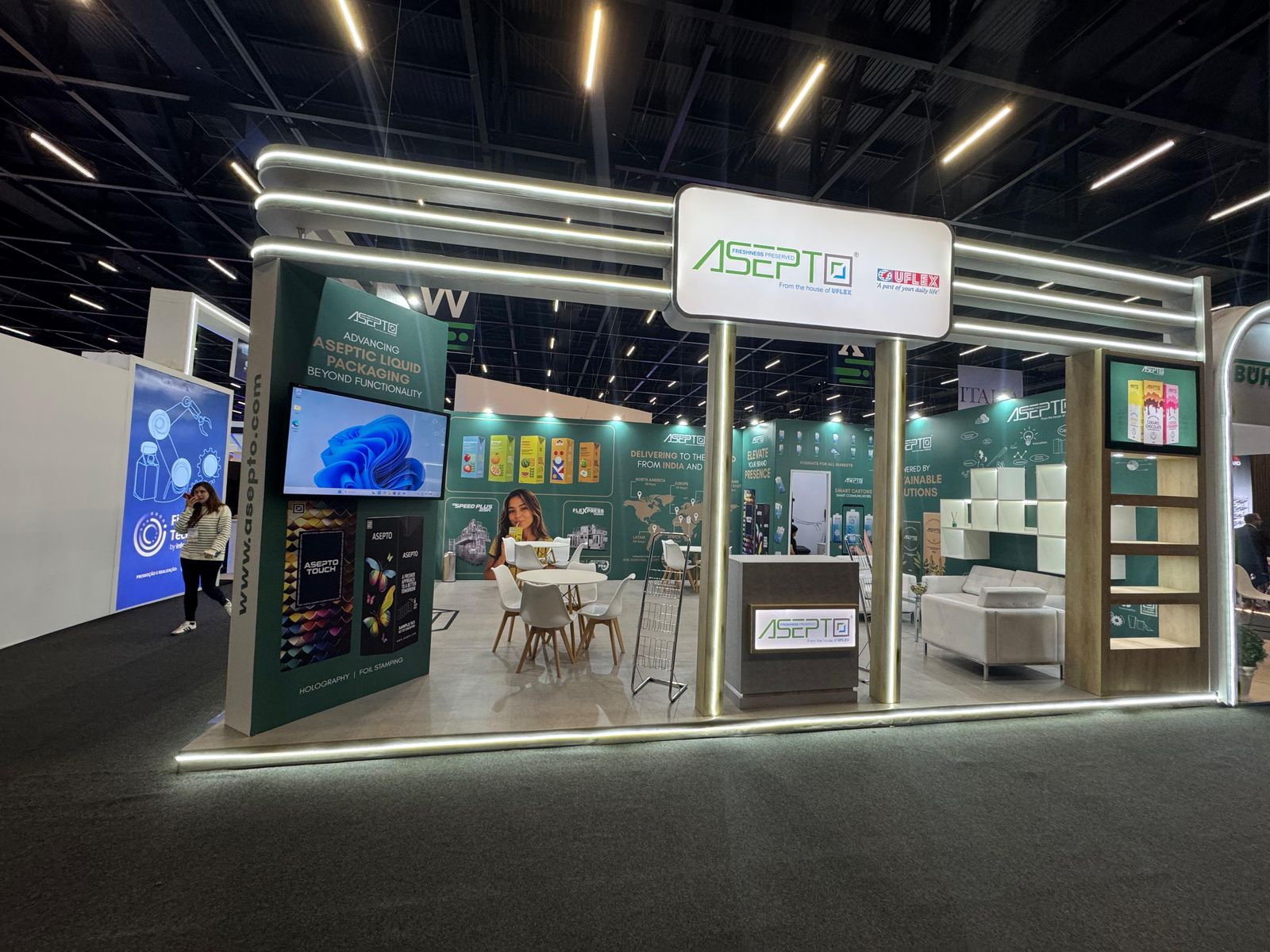
If you’re still making meaningful design decisions three to four weeks before move-in, something upstream slipped. This window should be reserved for final walkthroughs and confirming every detail matches what was approved, not for still deciding what the booth should look like. Anyone who’s watched a change order land during this window knows exactly how expensive a small last-minute revision can get once fabrication is already underway.
This is also the point to lock pre-show marketing and any scheduled meetings, the highest-value conversations on a show floor are usually the ones booked before the doors even open, not the ones that happen by chance.
For a straightforward footprint, six to eight weeks is roughly the lead time our own 10×10 trade show booths page quotes from brief to install, and that’s for one of the smaller, simpler footprints in the lineup. Larger or more complex builds, like a double-decker stand with load-tested mezzanines or a multi-tenant pavilion stand, need meaningfully more runway than that. If fabrication hasn’t started by this point for anything beyond the smallest footprints, the timeline is already under pressure, even if it doesn’t feel that way yet.
By the three-month mark, the stand shouldn’t just be a strategic direction anymore, it should be something the client has actually seen and approved. This is exactly what photoreal 3D visuals and walkthrough renders are for: getting sign-off on a screen, while changes are still cheap, instead of finding out someone doesn’t like the reception layout after panels are already cut. It’s a small step that quietly prevents most of the expensive revisions that show up later in the calendar.
This is also a good moment to revisit how the entrance and first impression of the booth are designed. Visitor behavior at the front of a stand has shifted meaningfully in recent years, and it’s worth reading the disappearing reception desk before finalizing that layout rather than after, the decisions made here shape who actually stops and engages once the show opens.
This is the window for the decision that shapes everything downstream: what kind of stand are you building, and is it worth owning at all. A custom exhibition display gives you full control over design but needs the longest runway. A modular exhibition display trades some of that flexibility for a chassis that can be redeployed across future shows with fresh graphics, worth strong consideration if this isn’t the only show on next year’s calendar. And for exhibitors who travel to more shows than makes sense to own a stand for, trade show booth rental are worth pricing out seriously at this stage, not treated as a fallback if the real plan falls through.
If this isn’t your first show, this is also when it’s worth asking whether last year’s stand can be pulled from storage and refreshed rather than rebuilt. A Store & Reuse arrangement only pays off if the decision to reuse gets made early enough to actually plan the refresh, not discovered as an afterthought once a new build is already underway.
Long before design conversations start, it’s worth confirming the show itself still makes sense, the venue, the dates, and what else is happening on the floor that year. Our Worldwide Exhibitions directory is built for exactly this kind of early research, and show-specific guides like the CES 2027 Las Vegas exhibitor guide or our look at why SIAL Paris is a must-attend event exist to help decision-makers commit to a show with real information, not a repeat booking made out of habit.
If the show is outside your home region, this is also the point to think through what actually changes when you exhibit abroad. Exhibiting Globally and What Changes and The Middle East Advantage both cover the regulatory and logistical differences that are far easier to plan around at nine months out than to discover at nine weeks out.
A year out feels early enough that it’s tempting to do nothing yet. This is exactly the window where the decisions that are hardest to unwind should actually get made, the show calendar for the year, the overall budget, and a realistic read on what worked and what didn’t at last year’s shows. If a full ROI review hasn’t happened yet for last year’s program, this is the moment to do it, before this year’s budget gets locked around assumptions nobody’s actually checked.
It’s also a good time to simply look around at what’s working elsewhere on the show floor. CES 2026: five stands to study is a useful starting point for that kind of research, and if sustainability commitments are part of the brief, Beyond the Bamboo is worth reading before materials decisions get made later in the timeline rather than after.
Planning a show more than a year out, or scrambling with one twelve weeks away?
Three or four new essays per quarter on design, sustainability, logistics and the trade-show floor. No promos, no calendar spam.
ONE EMAIL PER QUARTER · UNSUBSCRIBE ANY TIME
