
VOL. XII · ISSUE 04 · DESIGN, LEAD
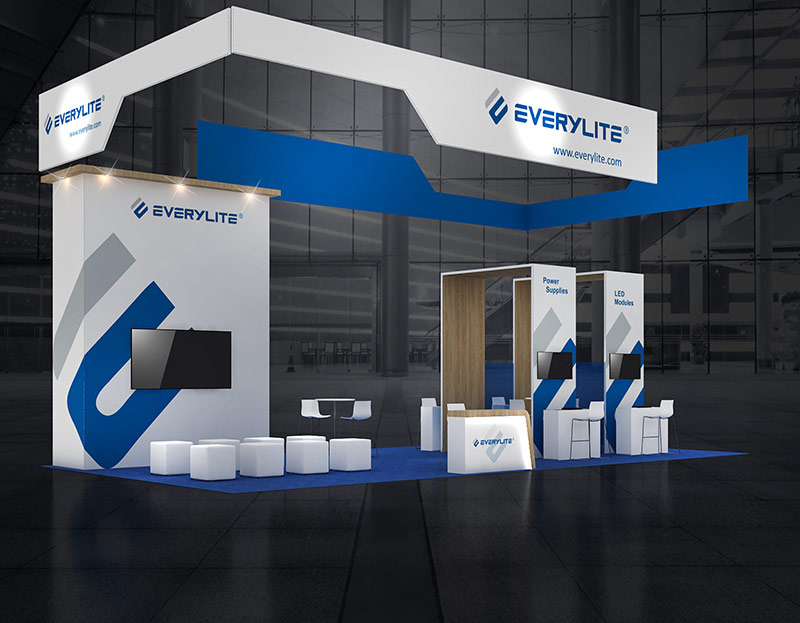
Two exhibitors can stand next to each other at the same show, spend roughly the same budget, and walk away with the same lead count, and one of them made money on the floor while the other didn’t. The difference usually isn’t the show. It’s what happened inside the booth.
A booth built around an open, no-barrier layout invites people to wander in without committing to a conversation, which inflates the scan count without necessarily inflating the number of people who actually needed what you sell. We wrote about this shift in the disappearing reception desk, booths are increasingly designed to filter who stops and who keeps walking, and that filtering decision, made months before the show even opens, is already shaping your ROI before a single lead gets scanned. A custom exhibition stand designed around your actual sales conversation tends to produce fewer, better leads than a generic layout built to maximize foot traffic for its own sake. Fewer leads that convert will always beat more leads that don’t.
Before you can judge what a show returned, you have to know, honestly, what it cost, and most post-show reports understate this badly. The build invoice is the number everyone remembers. It’s rarely the biggest number.
Freight is where budgets quietly bleed. We laid out the real gap in Drayage, and the Atlantic Gap, moving the exact same booth can cost wildly different amounts depending on which venue and which continent it’s landing in, and that number almost never makes it into the same spreadsheet as the leads it produced. If your ROI math only includes the fabrication cost and skips what it took to get the stand onto the floor, you’re not calculating ROI, you’re calculating half of it.
Storage between shows is the other cost most exhibitors don’t track properly. If a stand gets rebuilt from scratch every time instead of pulled from storage and refreshed, that’s not a one-off expense you can ignore next year, it’s a recurring cost that a Store & Reuse plan is specifically designed to shrink. Spread the same build cost across five shows instead of writing it off after one, and the entire ROI equation changes in your favor without your revenue side moving at all.
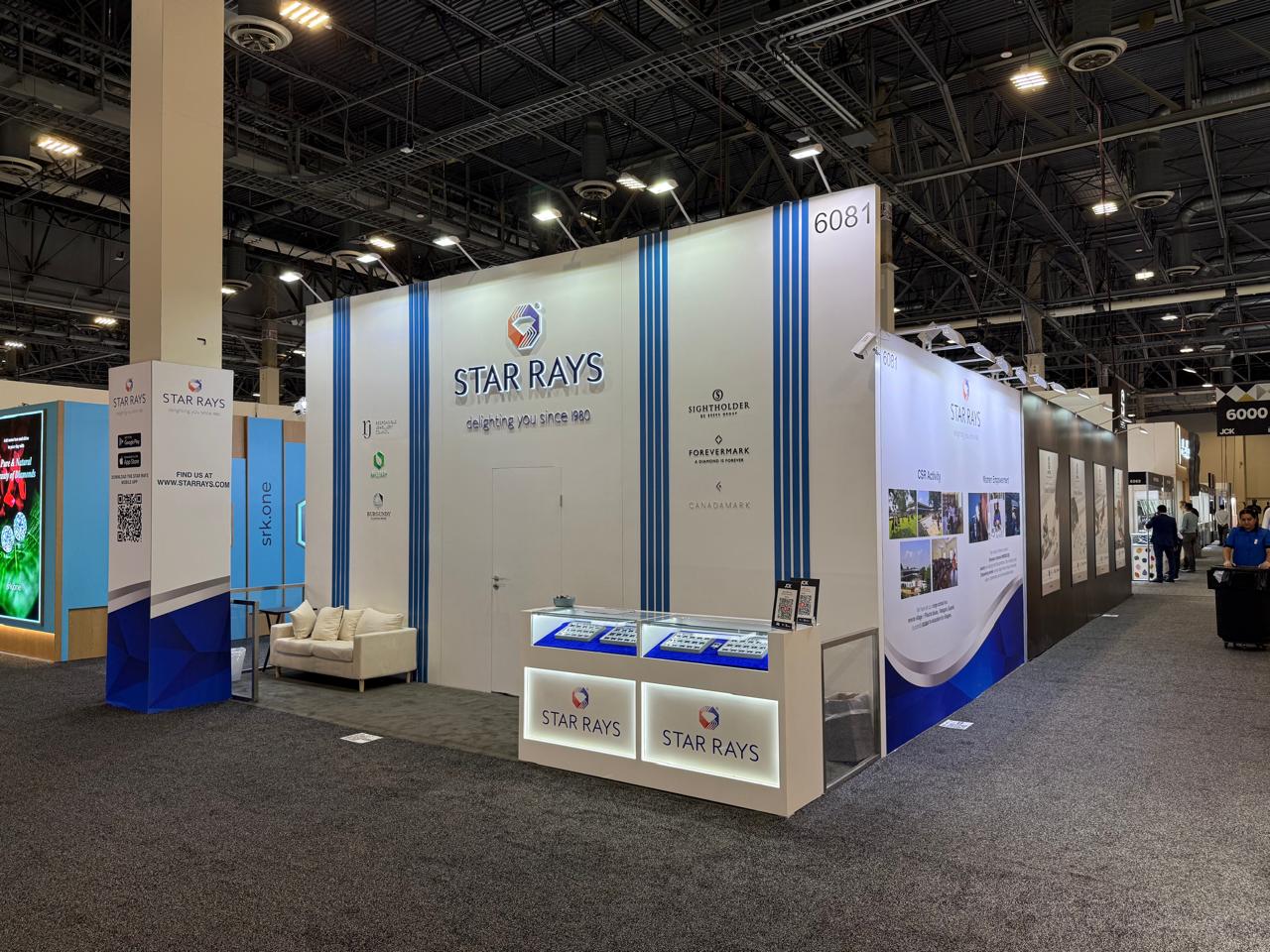
Once your true cost is on the table, the next step is deciding what to measure it against. Lead count answers “how many people did we talk to.” It’s the wrong question. The number worth chasing is cost per qualified lead, what you spent divided by the people who actually matched your ideal customer, not everyone who wandered past. That single swap, from total leads to qualified leads, is usually enough to expose whether a show was genuinely good or just busy.
Cost per meeting booked tells you something lead count never will: how many of those conversations were substantial enough that someone agreed to a follow-up call or a demo. A badge scan costs nothing to collect and means very little. A booked meeting means somebody, in the middle of a noisy show floor, decided your product was worth twenty more minutes of their time. Weigh those two very differently.
Pipeline value influenced is the number that finally connects the show back to revenue. Pull your CRM data a quarter or two after the show and look at which deals had any contact with your booth, not just the ones that started there, a show often accelerates a deal that was already quietly in motion, and that influence deserves credit even when the lead itself came from somewhere else.
And if you exhibit more than once a year, look at your cost per show on an amortized basis rather than in isolation. A stand that gets reused, stored properly, and refreshed with new graphics instead of rebuilt each time gets cheaper with every additional show it’s deployed at, which is exactly why some of the exhibitors we’ve worked with have kept the same core design running across eight or more fairs. That’s not a design choice. It’s a financial one that happens to look good too.
Trade Show ROI (%) =
[(Qualified Pipeline Value Generated − Total Show Cost) ÷ Total Show Cost] × 100
Total Show Cost = build/rental + logistics + storage/refurbishment + staff travel + booth staff time
It’s worth saying plainly: the format you choose to exhibit in isn’t just a design decision, it’s a financial one. A modular exhibition stand that redeploys with new graphics show after show pulls your cost-per-event down every time it’s reused. A double-decker stand costs more upfront, but if the extra level gives your team a private space to close a deal instead of shouting over show-floor noise, that’s a cost that can pay for itself in a single meeting. Pavilion stands split the bill across several co-exhibitors, which changes the entire ROI picture since no single brand is carrying the full cost alone.
Footprint matters too, and not just for aesthetics. Our breakdowns of the 10×10 and 20×20 footprints spell out realistic lead times and crew sizes for each, details that feed directly into the staffing costs most ROI calculations quietly leave out. And if your calendar has you at more shows than you can justify owning a stand for, rental booths can genuinely be the better financial call: no storage bill, no ownership risk, a lower cost basis per show. It’s worth running both numbers before assuming ownership is always the smarter long-term play.
A smaller, less obvious cost worth pricing in: getting sign-off on the design before fabrication starts. Photoreal 3D visuals let a client approve the stand on-screen, months out, instead of discovering something they don’t like once it’s already built. Change orders after fabrication has started are one of the quietest ways a show’s real cost creeps past what was budgeted.
The exhibitors who get the best ROI aren’t the ones with the flashiest single booth, they’re the ones treating their show calendar as a program instead of a series of unrelated events. A stand that’s reused, stored properly, and refreshed rather than rebuilt gets cheaper every single time it goes back on a show floor. It’s the same reason some clients keep bringing the same core design back across eight or more fairs running: not because rebuilding wasn’t an option, but because it stopped making financial sense to.
Where you’re exhibiting changes the math too, and it’s worth knowing that before you compare numbers across regions. Labor rules, lead times, and freight costs shift meaningfully from one continent to the next, we go into the specifics in Exhibiting Globally and What Changes and The Middle East Advantage. A cost-per-lead number from Frankfurt and one from Dubai aren’t measuring the same thing, and treating them as comparable will skew whatever decision you’re trying to make. If Vegas is already on next year’s calendar, our CES 2027 exhibitor guide and the full Worldwide Exhibitions directory are a reasonable place to start pricing out that side of the equation before the floor even opens.
Want a stand built to improve next year’s number, not just this year’s?
Request a quote from BuilderDeck →
Three or four new essays per quarter on design, sustainability, logistics and the trade-show floor. No promos, no calendar spam.
ONE EMAIL PER QUARTER · UNSUBSCRIBE ANY TIME
